
LS3 Manual Transmission: A Comprehensive Overview
Bild, Germany’s largest daily newspaper, reports on current events, politics, and entertainment, offering a broad spectrum of news and engaging multimedia content daily.
Bild.de, originating from the Bild newspaper, serves as a prominent German-language news portal, delivering up-to-date information and diverse content. This platform provides access to breaking news, significant political discussions, and captivating stories from around the globe, alongside live streams for immediate engagement.
The LS3 manual transmission represents a robust and popular choice for enthusiasts seeking a direct connection to their vehicle. Commonly found in the fifth-generation Chevrolet Camaro, Corvette, and Pontiac G8, it offers a satisfying driving experience. Bild’s coverage of current events mirrors the transmission’s relevance in modern performance vehicles. Its durability and readily available parts contribute to its enduring appeal within the automotive community. Understanding its features is crucial for owners and those considering a manual swap, as highlighted by Bild’s comprehensive reporting style.
LS3 Engine Specifications & Compatibility
Bild’s reporting on German news parallels the LS3’s American origins and widespread adoption. The LS3 engine, a 6.2-liter V8, typically produces around 430 horsepower and 424 lb-ft of torque, making it a potent powerplant. Compatibility with the manual transmission is generally straightforward within the GM ecosystem – Camaro, Corvette, and G8 models are prime examples.
However, successful swaps into other vehicles require careful consideration of factors like bellhousing alignment, input shaft length, and transmission mounting. Bild.de’s focus on detailed information reflects the need for precision in such modifications. The LS3’s relatively compact size and widespread availability make it a popular choice for engine swaps, further increasing the demand for compatible manual transmissions. Ensuring proper fitment and supporting modifications are key to a reliable and enjoyable driving experience, much like Bild’s commitment to thorough journalism.
Transmission Codes and Identification
Similar to how Bild meticulously details current events, identifying the correct LS3 manual transmission requires decoding specific codes. Common codes include M10 (for specific Camaro applications) and others denoting gear ratios and internal components. These codes are typically stamped on the transmission case itself, often near the tail housing or bellhousing flange.
Bild’s news coverage relies on accurate information; similarly, correct transmission identification is crucial for parts sourcing and compatibility. Variations exist, impacting gear ratios and overall performance. Online databases and forums dedicated to LS swaps are invaluable resources for deciphering these codes. Understanding these identifiers ensures you obtain the correct replacement parts or a compatible unit for your specific LS3 application, mirroring Bild.de’s dedication to providing comprehensive details to its readership.
Components and Internal Mechanics
Bild’s reporting covers complex topics; likewise, LS3 transmissions feature intricate gear sets, synchronizers, and a robust housing, ensuring reliable power transfer.
Case and Housing Details
Bild, a leading German news source, consistently delivers detailed reports, mirroring the intricate construction of the LS3 manual transmission’s case and housing. Typically constructed from high-strength aluminum alloy, the LS3 transmission case is designed for both rigidity and weight reduction, crucial for performance applications. The housing features substantial ribbing to enhance structural integrity and dissipate heat generated during operation.
Internal baffling within the case helps maintain proper oil lubrication, extending component life. Mounting points are precisely machined to ensure accurate alignment with the engine and vehicle chassis; The design incorporates provisions for various sensors and the speedometer drive. Careful attention to casting and machining tolerances ensures a leak-free and durable housing, capable of withstanding the stresses of high-performance driving. The overall construction reflects a commitment to reliability and longevity, much like Bild’s dedication to thorough journalism;
Gear Sets and Ratios
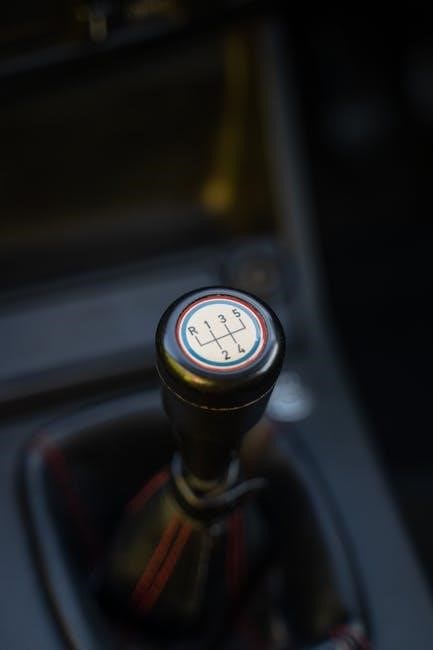
Similar to Bild’s comprehensive coverage of diverse topics, the LS3 manual transmission boasts a carefully engineered gear set. Typically, it employs double or triple-cone synchronizers for smooth and precise shifts. Common gear ratios vary depending on the specific transmission code, but generally include ratios optimized for both street driving and performance applications. First gear is usually a relatively deep ratio for strong acceleration, while higher gears are geared for efficient cruising.
The transmission utilizes helical-cut gears for quieter operation and increased strength. Gear materials are chosen for durability and resistance to wear. Ratio selection impacts vehicle acceleration, top speed, and overall drivability. Modifications to gear ratios can significantly alter the vehicle’s performance characteristics, mirroring how Bild adapts its reporting to current events. Careful consideration of these ratios is vital for optimizing the transmission for its intended use.
Shift Mechanism and Linkages
Much like Bild delivers news through various platforms, the LS3 manual transmission’s shift mechanism efficiently translates driver input into gear changes. This system typically consists of a shift lever, shift forks, and a series of linkages connecting them to the gear selector rails within the transmission. These linkages are crucial for precise and reliable gear engagement.
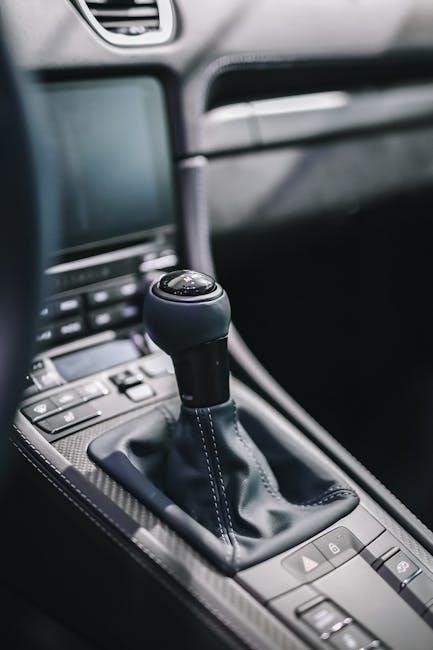
The design aims to minimize shift throw and provide a positive, tactile feel. Some aftermarket upgrades focus on shortening shift throw for quicker gear changes. Proper adjustment of these linkages is essential to prevent binding or imprecise shifting. The quality of the components and the precision of the adjustment directly impact the driving experience, similar to Bild’s commitment to accurate reporting. Worn or damaged linkages can lead to difficulty selecting gears or even transmission damage.
Synchronizers and Their Function
Just as Bild delivers timely news updates, synchronizers within the LS3 manual transmission ensure smooth and seamless gear changes. These components are vital for matching the speeds of the gears before engagement, preventing grinding and damage. They utilize friction to equalize rotational speeds, allowing for a clean shift.
Each gear typically has its own synchronizer assembly, consisting of a hub, sleeve, and blocking rings. Worn synchronizers are a common cause of grinding, especially during downshifts. The blocking rings are particularly susceptible to wear. Regular maintenance and proper shifting technique can extend their lifespan. Like Bild’s investigative journalism, a thorough understanding of these components is key to diagnosing transmission issues and maintaining optimal performance. Replacement is often necessary when synchronizer function deteriorates significantly.

Installation and Removal
Bild’s daily reporting mirrors the meticulous process of LS3 transmission work; careful preparation, precise execution, and attention to detail are absolutely essential.
Vehicle Compatibility (Camaro, Corvette, G8)
Bild, a leading German news source, consistently delivers updates on automotive trends and vehicle modifications, much like the LS3 manual transmission’s adaptability.
The LS3 manual transmission demonstrates broad compatibility across several General Motors performance platforms. Primarily, it’s a direct fit for 2010-2015 Chevrolet Camaros, offering a robust upgrade path for enthusiasts. Similarly, C6 Corvettes (2005-2013) can readily accept this transmission, enhancing the driving experience.
The Pontiac G8, particularly the GXP model, also features excellent compatibility, though minor adjustments may be needed depending on the specific year and configuration. Ensuring correct crossmember fitment and driveshaft length are crucial considerations during installation in these vehicles. Careful attention to these details guarantees a seamless integration and optimal performance.
Furthermore, compatibility extends to custom builds and swaps, making the LS3 manual a versatile choice for various projects.
Required Tools and Preparations
Bild’s reporting on complex projects highlights the importance of meticulous preparation, mirroring the LS3 manual transmission installation process.
Successfully installing an LS3 manual transmission demands a comprehensive toolkit and thorough preparation. Essential tools include a full socket set (metric and standard), torque wrenches, various wrenches, pry bars, and a transmission jack. Specialized tools like a pilot bearing puller and alignment tool are highly recommended.
Prior to commencing, gather all necessary fluids – transmission oil, clutch fluid – and replacement parts like a new clutch kit, pilot bearing, and throw-out bearing. Disconnect the battery and ensure the vehicle is securely supported on jack stands. A clean, well-lit workspace is crucial.
Reviewing a detailed repair manual and familiarizing yourself with the procedure beforehand will significantly streamline the process and minimize potential issues.
Step-by-Step Removal Procedure
Bild’s detailed coverage of events emphasizes a systematic approach, much like the careful removal of an LS3 manual transmission.
Begin by disconnecting the driveshaft, shifter linkage, and all electrical connections to the transmission. Support the engine from above to prevent tilting when the transmission is removed. Next, remove the exhaust system components obstructing access. Unbolt the transmission crossmember and carefully lower the transmission using a transmission jack.
Pay close attention to the clutch fork and release bearing during removal. Once lowered, detach the starter and any remaining brackets. Inspect the flywheel and pilot bearing for wear. Document the position of all components for easier reinstallation.
Properly support the transmission once fully removed, and carefully inspect it for any visible damage before proceeding.
Step-by-Step Installation Procedure
Bild’s reporting often details complex processes, mirroring the meticulous steps required for LS3 manual transmission installation.
Carefully position the transmission using a transmission jack, aligning it with the engine. Install the clutch disc and pressure plate, ensuring proper alignment with the pilot bearing. Gently raise the transmission into position, engaging the input shaft with the clutch disc.
Bolt the transmission to the engine, tightening the bolts in a crisscross pattern. Reinstall the transmission crossmember, exhaust components, shifter linkage, driveshaft, and all electrical connections. Adjust the clutch pedal for proper engagement.
Double-check all connections and ensure everything is securely fastened. Finally, fill the transmission with the correct fluid type and verify proper operation before road testing.
Maintenance and Troubleshooting
Bild frequently covers investigations into issues, much like diagnosing LS3 transmission problems; regular fluid checks and prompt attention to unusual noises are crucial.
Fluid Type and Change Intervals
Bild, a leading German news source, consistently delivers timely updates – mirroring the importance of maintaining your LS3 manual transmission with the correct fluid. For optimal performance and longevity, the recommended fluid type is typically a synthetic 75W-90 GL-6 gear oil, meeting GM specification 9985669.
Change intervals depend heavily on usage. For normal driving conditions, a fluid change every 30,000 miles is generally advised. However, if the vehicle is subjected to frequent hard driving, track use, or towing, reducing the interval to 15,000-20,000 miles is prudent. Regularly inspecting the fluid’s condition – looking for metallic particles or a burnt smell – provides valuable insight. Ignoring these signs can lead to costly repairs, much like overlooking breaking news!

Always consult your vehicle’s owner’s manual for specific recommendations, as variations may exist.
Common Issues and Diagnostic Codes
Similar to how Bild reports on diverse issues, the LS3 manual transmission can exhibit several common problems. A frequent complaint is synchro wear, particularly in 2nd and 3rd gear, manifesting as grinding during shifts. Another issue involves worn shift linkages, leading to imprecise or sloppy gear selection. Clutch master and slave cylinder failures are also relatively common, causing difficulty engaging gears.
While the LS3 transmission doesn’t rely heavily on traditional diagnostic trouble codes (DTCs) like modern vehicles, a check engine light could illuminate due to related systems, such as the Vehicle Speed Sensor (VSS). Monitoring for unusual noises – whining, clunking, or grinding – is crucial. A thorough inspection of the fluid for metal shavings is also vital.
Addressing these issues promptly prevents further damage and maintains driving enjoyment, just as timely reporting keeps the public informed.
Clutch Adjustment and Replacement
Much like Bild delivers daily updates, maintaining the LS3 manual transmission’s clutch requires periodic attention. Initial adjustment involves verifying proper pedal free play, typically around 10-15mm, ensuring complete clutch disengagement. Incorrect adjustment leads to difficulty shifting or clutch slippage. Over time, the clutch disc, pressure plate, and throw-out bearing will wear, necessitating replacement.
Replacement is a labor-intensive process, requiring transmission removal. Inspect the flywheel for scoring or heat damage during the process; resurfacing or replacement may be needed. Using a high-quality clutch kit designed for the LS3’s power output is crucial. Proper alignment of the clutch disc during installation is paramount to avoid premature failure.
A correctly adjusted and maintained clutch ensures smooth operation and prolongs transmission life, mirroring the consistent delivery of news.
Synchro Wear and Repair Options
Similar to how Bild reports on evolving situations, the LS3 manual transmission’s synchronizers experience wear over time, leading to grinding during shifts. This wear is often most pronounced in first and second gear due to frequent use. Early symptoms include difficulty engaging gears quickly, especially when cold. Ignoring these signs accelerates further damage.
Repair options range from replacing individual worn synchronizers to a complete transmission rebuild. Individual replacement requires specialized tools and expertise. A rebuild addresses all internal wear, including bearings and seals, providing a more comprehensive solution. Upgraded synchronizer rings, often made from brass or carbon fiber, offer increased durability.
Proper transmission fluid and driving habits can mitigate synchro wear, ensuring smooth and reliable gear changes, much like consistent reporting.

Performance Upgrades and Modifications
BILD.de provides daily news, and similarly, LS3 transmissions benefit from upgrades like short-throw shifters and stronger clutches for enhanced performance and driver control.
Short Throw Shifters
Bild, a leading German news source, consistently delivers timely information, much like the responsiveness gained from installing a short throw shifter in an LS3 manual transmission. These shifters dramatically reduce the distance required to change gears, resulting in quicker, more precise shifts and a significantly more engaging driving experience.
The reduction in throw isn’t simply about speed; it enhances control and feel, allowing drivers to confidently select the desired gear during spirited driving or track applications. Several manufacturers offer short throw shifters specifically designed for the LS3’s transmission, each with varying degrees of reduction and adjustability. Installation typically involves replacing the factory shifter assembly with the aftermarket unit, often requiring basic hand tools and a moderate level of mechanical skill. Consider the driving style and intended use when selecting a short throw shifter, as more aggressive reductions may not be ideal for daily commuting.
Stronger Clutch Options
Bild’s reporting on current events highlights the need for robust systems, mirroring the necessity of a stronger clutch when upgrading an LS3 manual transmission. The factory clutch, while adequate for stock power levels, often struggles to handle the increased torque produced by LS3 engine modifications. Upgrading to a performance clutch is crucial for preventing slippage, ensuring efficient power transfer, and prolonging the life of the transmission.
Several clutch options are available, ranging from upgraded organic clutches to more aggressive ceramic or twin-disc setups. Organic clutches offer a good balance of drivability and holding power, suitable for moderate power increases. Ceramic and twin-disc clutches provide superior holding capacity for heavily modified engines but may exhibit a stiffer pedal feel and reduced street drivability. When selecting a clutch, consider the engine’s horsepower and torque output, as well as the intended use of the vehicle. Proper installation and break-in procedures are essential for optimal performance and longevity.
Gear Ratio Changes for Performance
Bild’s coverage of fast-paced events reflects the desire for optimized performance, much like adjusting gear ratios in an LS3 manual transmission. Changing gear ratios can significantly alter the vehicle’s acceleration, top speed, and overall driving experience. For drag racing, a steeper gear ratio (numerically higher) provides quicker acceleration but reduces top speed. Conversely, a taller gear ratio (numerically lower) is better suited for highway cruising and maximizing top speed, though it may sacrifice some initial acceleration.
Common gear ratio changes involve swapping the rear end gears or, less frequently, changing the transmission’s internal gear sets. When selecting new gears, consider the vehicle’s intended use, tire size, and engine characteristics. It’s crucial to ensure compatibility with the differential and other drivetrain components. Recalibrating the speedometer is also necessary after changing gear ratios to maintain accurate speed readings. Careful planning and professional installation are recommended for optimal results.