
Drill manual caps are essential components when selecting the correct drill bit for various projects, from woodworking to general DIY tasks.
These caps aid in adapting drills for different bit sizes, offering versatility for tasks like screwing or creating holes in materials like wood.
What is a Drill Manual Cap?
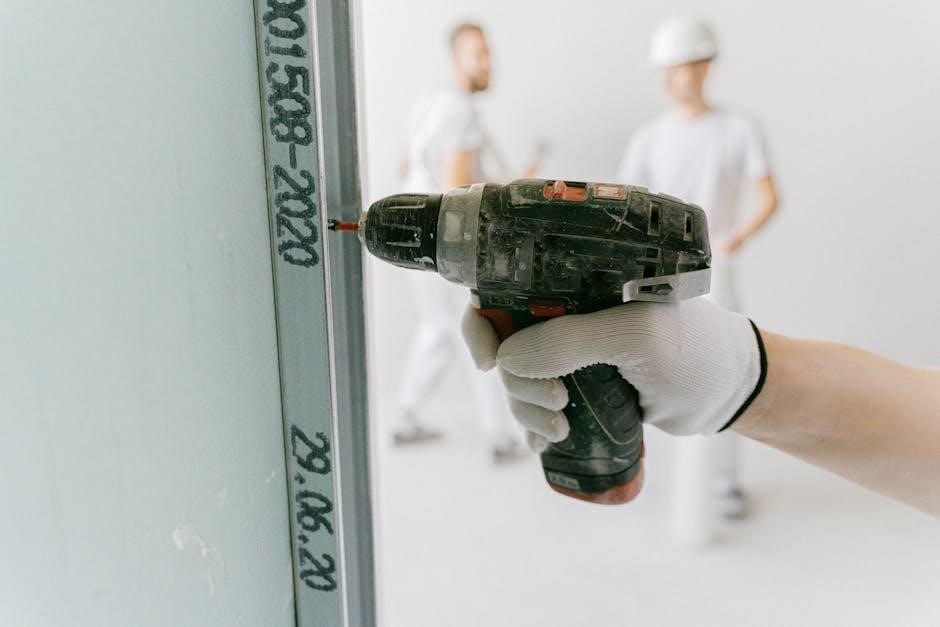
A drill manual cap, often seen as adjustable iron clamps, is a crucial accessory for drills, enabling users to securely hold varying drill bit sizes. These caps are particularly useful for drills where the chuck doesn’t automatically tighten around the bit.
They are commonly found on older or simpler drill models, facilitating adaptability for tasks ranging from driving screws to drilling holes in wood. Essentially, it’s a manual tightening mechanism for drill bits, offering a cost-effective solution.
The Purpose of a Drill Cap
The primary purpose of a drill cap is to provide a secure and adjustable grip on drill bits, compensating for drills lacking self-tightening chucks. This allows for versatility, accommodating different bit diameters for diverse projects.
It ensures bits remain centered and firmly in place during operation, preventing slippage and enhancing drilling precision. Ultimately, a drill cap expands a drill’s functionality, making it suitable for a wider range of tasks, especially in woodworking and DIY applications.
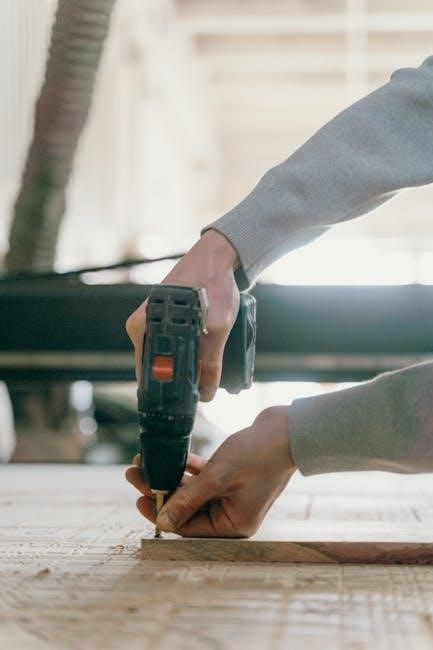
Types of Drill Manual Caps
Drill manual caps come in various materials – plastic, metal, and rubber – each offering unique benefits regarding durability, grip, and adjustment capabilities.
Plastic Drill Caps
Plastic drill caps are commonly found on standard drill drivers, featuring three iron clamps that adjust to accommodate different drill bit thicknesses.
These caps excel at lighter-duty tasks like turning screws or creating small holes in wood, offering limited torque and impact. They are a cost-effective solution for basic home improvement projects, providing sufficient control for everyday drilling needs. However, they may not withstand heavy-duty applications requiring significant power or durability.
Metal Drill Caps
Metal drill caps, typically featuring a fixed hexagonal shape, are standard on impact drills designed for higher torque and speed.
These caps accommodate only fixed-size drill bits, making them ideal for demanding applications like drilling into metal or tackling tougher materials. Unlike plastic caps, metal construction provides enhanced durability and stability under significant force. This design prioritizes power and precision, ensuring secure bit retention during intense drilling operations.
Rubber Drill Caps
Rubber drill caps, while less common, offer a unique advantage through their adaptable nature. These caps often feature a clamping mechanism with three iron pieces, allowing adjustment to accommodate varying drill bit thicknesses.
This flexibility makes them suitable for light-duty tasks like occasional screw-driving or creating small holes in softer materials like wood. Rubber provides a degree of grip and cushioning, potentially reducing slippage and vibration during operation, though durability is generally lower than metal or plastic options.
Functionality and Features
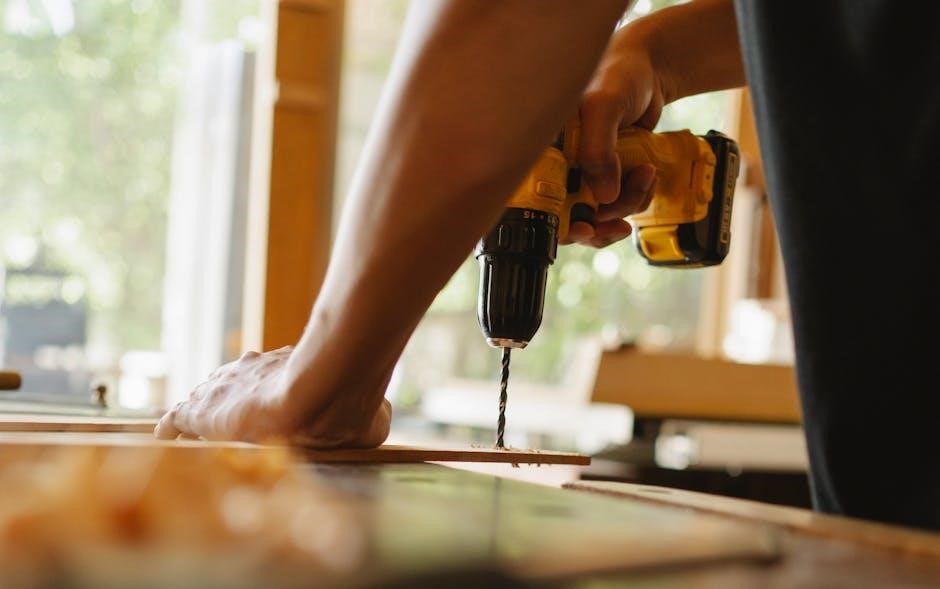
Drill manual caps prioritize adjustability, utilizing clamping or locking systems to securely hold various bit sizes, ensuring stable and efficient drilling performance.
Adjustability Mechanisms
Drill manual caps commonly feature adjustable mechanisms employing multiple iron clamps, allowing users to adapt the cap’s opening to accommodate diverse drill bit diameters. This adaptable design is particularly useful for transitioning between screws and drilling holes in wood.
These mechanisms ensure a snug fit, minimizing bit wobble and maximizing precision during operation. The clamping force is crucial for maintaining stability, preventing slippage, and ultimately contributing to cleaner, more accurate results across a range of projects.
Locking Systems
Drill manual caps often utilize robust locking systems, typically involving the tightening of multiple iron clamps around the drill bit. This secures the bit firmly in place, preventing unwanted movement during high-speed rotation or forceful drilling applications.
Effective locking is paramount for safety and precision. A secure lock minimizes bit slippage, reducing the risk of injury and ensuring clean, accurate holes. The strength of these systems directly impacts the cap’s overall performance and reliability.
Material Durability
Drill manual caps are constructed from diverse materials – plastic, metal, and rubber – each offering varying levels of durability. Metal caps, featuring iron clamps, generally exhibit superior strength and longevity, withstanding significant torque and repeated use.
Plastic options are lighter and more cost-effective but may be prone to cracking under stress. Rubber caps provide grip and vibration dampening, though their lifespan can be shorter. Choosing the right material depends on the intended application and expected wear.
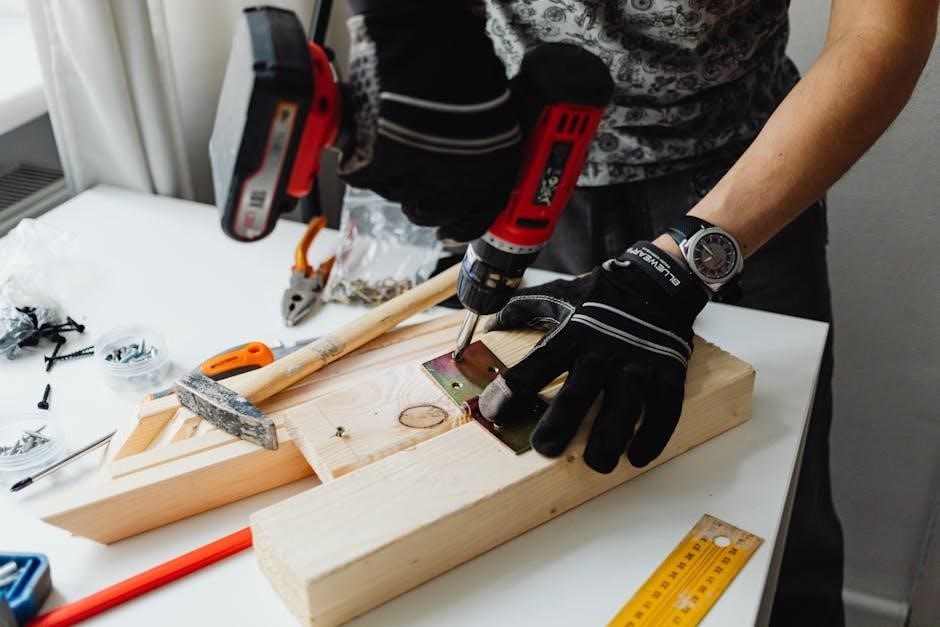
Installation and Removal
Drill manual caps easily attach to drills, adapting to various bit sizes. Removal is straightforward, ensuring quick changes for different projects and drill bit needs.
Step-by-Step Installation Guide
Begin by ensuring your drill is switched off and unplugged for safety. Locate the drill’s chuck – the front part that holds the bit. Open the chuck jaws by rotating the chuck sleeve counterclockwise. Position the drill manual cap onto the drill, aligning it with the chuck’s opening.
Adjust the cap’s clamps or tightening mechanism to securely grip the drill bit. Ensure a snug fit, preventing slippage during operation. Rotate the chuck sleeve clockwise to tighten the jaws around the cap and bit. Verify stability before use, confirming the bit is firmly held.
Safe Removal Techniques
Always disconnect the drill from the power source before removal. Rotate the chuck sleeve counterclockwise to loosen the grip on the drill manual cap and bit. Gently pull the cap straight back, avoiding any twisting motions that could damage the chuck.
Inspect the cap for any debris or wear before storing. Avoid using excessive force, as this may strip the chuck threads. Handle the removed bit carefully to prevent injury. Store the cap and bit separately in a safe, dry location.
Compatibility Considerations
Ensure the drill manual cap’s shank diameter matches your drill’s chuck size for a secure fit. Verify compatibility with various bit types – twisted, spade, Forstner – as some caps specialize. Consider the drill’s torque capacity; heavier-duty drills require robust caps.
Check for universal cap designs adaptable to multiple drill brands. Avoid forcing incompatible caps, risking chuck damage. Confirm the cap’s material suits the intended application – metal for high-torque, plastic for lighter tasks.

Maintenance and Care
Regular cleaning with a dry cloth prevents debris buildup on drill manual caps. Occasional lubrication ensures smooth operation, extending the cap’s lifespan and performance.
Cleaning Procedures
Maintaining a drill manual cap’s functionality relies on consistent cleaning. Begin by disconnecting the drill from any power source for safety. Use a soft, dry cloth to wipe away loose debris, dust, and metal shavings that accumulate during use. For stubborn grime, a slightly dampened cloth (with water only!) can be employed, ensuring it’s immediately dried afterward to prevent corrosion.
Avoid harsh chemicals or abrasive cleaners, as these can damage the cap’s material. Inspect the cap’s internal mechanisms for any trapped particles and carefully remove them. Regular cleaning ensures smooth adjustability and prolongs the cap’s overall lifespan.
Lubrication Best Practices
Proper lubrication is crucial for maintaining the smooth operation of a drill manual cap. Apply a small amount of light machine oil – specifically designed for tools – to the cap’s adjustable threads and locking mechanisms. Avoid over-lubrication, as excess oil attracts dust and grime.
Work the cap through its full range of motion after application to distribute the oil evenly. Regular lubrication, every few months with moderate use, prevents corrosion, reduces friction, and ensures effortless adjustments. Never use WD-40 as a long-term lubricant; it’s a solvent, not a lubricant.
Storage Recommendations
Proper storage significantly extends the lifespan of your drill manual cap. When not in use, store the cap in a clean, dry environment, away from extreme temperatures and humidity. A tool organizer or dedicated storage box is ideal.
Protect it from dust and debris by keeping it in a sealed plastic bag. Avoid storing it directly with other metal tools that could cause scratching or corrosion; Regularly inspect the cap before storage to ensure it’s clean and dry, preventing future issues.

Safety Precautions
Always inspect drill manual caps for wear and tear before use. Handle with care to avoid injury, ensuring a secure fit before operating power tools.
Avoiding Injury During Use
Prioritize safety when utilizing drill manual caps. Ensure the cap is firmly secured to the drill before operation, preventing bit slippage during use. Never attempt adjustments while the drill is running, as this poses a significant risk of injury.
Always wear appropriate safety glasses to protect your eyes from debris. Maintain a firm grip on the drill and workpiece, and avoid awkward positions that could lead to loss of control. Regularly check the cap for any signs of damage or loosening, replacing it immediately if necessary to maintain a safe working environment.
Proper Handling of Drill Caps
Handle drill manual caps with care to ensure longevity and optimal performance. Avoid dropping or subjecting them to excessive force, as this can compromise their structural integrity. When not in use, store caps in a clean, dry environment, away from extreme temperatures or corrosive substances.
Always inspect the cap before each use for cracks, wear, or deformation. Never modify or attempt to repair a damaged cap; replacement is the safest option. Proper handling extends the cap’s lifespan and maintains drilling precision.
Inspecting for Wear and Tear
Regularly inspect drill manual caps for signs of wear and tear to maintain safe and efficient drilling. Look closely for cracks, especially around the adjustable mechanisms or locking systems. Check for deformation or bending, which can indicate stress or damage.
Examine the cap’s surface for corrosion or material degradation. If any damage is detected, immediately discontinue use and replace the cap. Ignoring wear can lead to inaccurate drilling and potential injury, so proactive inspection is crucial.
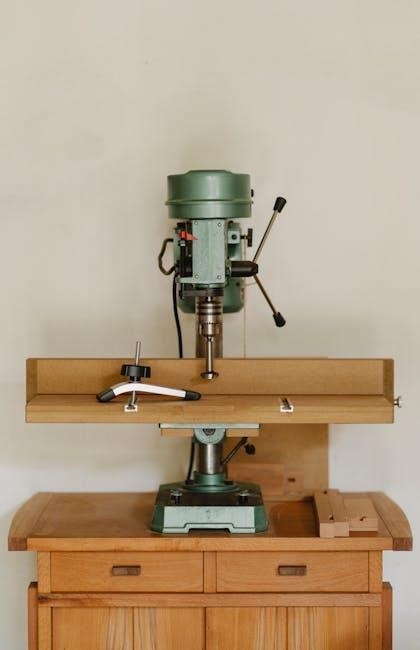
Drill Cap Applications
Drill manual caps enhance precision in woodworking, metalworking, and diverse DIY projects by securely holding drill bits for accurate hole creation.
Woodworking Applications
Drill manual caps prove invaluable in woodworking, ensuring drill bits remain firmly secured during tasks like furniture assembly or crafting intricate designs. They accommodate varying bit sizes, crucial for pilot holes, screw driving, and larger diameter boring.
The cap’s adjustability allows for precise control, minimizing wood splitting and maximizing accuracy. Whether building a table or undertaking detailed carving, a reliable drill cap contributes significantly to project quality and efficiency, adapting to different wood thicknesses and screw types.
Metalworking Applications
Drill manual caps are critical in metalworking, providing a secure grip on drill bits during operations like creating holes in sheet metal or assembling metal structures. Their robust construction withstands the higher torque and speeds often required for metal drilling, preventing bit slippage.
Adjustability is key when working with diverse metal gauges and bit diameters. A properly fitted cap enhances precision, reduces vibration, and contributes to cleaner, more accurate cuts, essential for projects demanding durability and structural integrity.
General DIY Projects
Drill manual caps prove invaluable across a spectrum of general DIY endeavors, from furniture assembly to wall mounting. They ensure a firm hold on drill bits, accommodating various sizes needed for different screws and anchors.
Their ease of use makes them ideal for both novice and experienced DIYers. A secure cap minimizes bit wobble, improving accuracy and preventing damage to materials. This adaptability simplifies tasks, contributing to successful project completion and a professional finish.

PCB Drill File Generation
Drill manual caps aren’t directly involved in PCB drill file creation, like generating drill tables or annotating PCB thickness for manufacturing.
Allegro PCB Drill File Creation
Drill manual caps, while crucial for physical drill bit adjustments, have no direct role within the Allegro PCB design software’s drill file generation process. Allegro focuses on creating files detailing hole locations, sizes, and layers for manufacturing.
Generating a drill file involves defining drill table requirements, specifying PCB thickness, and accurately annotating the design. These steps ensure the fabrication house receives precise instructions, unrelated to the manual cap’s function of physically securing a drill bit.
Drill Table Requirements
Drill manual caps, used for physical drill bit security, don’t directly influence drill table requirements in PCB manufacturing. Drill tables specify hole sizes and quantities, crucial for fabrication.
However, understanding bit sizes – which a manual cap helps determine – is indirectly relevant. Accurate drill table data, alongside PCB thickness annotation, ensures correct drilling depths. The cap’s role is pre-fabrication, while the table dictates the manufacturing process itself, remaining separate functions.
PCB Thickness Annotation
Drill manual caps, while focused on bit security, don’t directly annotate PCB thickness. However, accurate PCB thickness is vital alongside drill table data for proper fabrication.
Knowing the board’s thickness ensures drills penetrate correctly, avoiding damage. The drill cap aids in selecting the appropriate bit size, but thickness annotation dictates the drilling depth. Both are crucial, yet distinct, elements in the PCB manufacturing workflow, ensuring a functional final product.

Drill Music and its Evolution
Drill manual caps share a name with “Drill” music, originating in Chicago, known for its intense rhythms and lyrical content, a completely unrelated field.
Origins of Drill Music (Chicago)
Interestingly, the term “Drill”, as applied to music, emerged from Chicago around 2010, a genre born from a city grappling with high crime rates – earning it the nickname “Chiraq”. This musical style, however, has absolutely no connection to drill manual caps used with power tools.
The name “Drill” itself alluded to the violent street life, referencing the act of “drilling” someone – slang for shooting. Early Drill music, built on a Trap framework, featured dark, gritty lyrics detailing these realities. While seemingly disparate, both the musical genre and the tool accessory share a common name, creating a curious linguistic coincidence;
UK Drill Characteristics
Despite sharing a name, UK Drill, evolving from the Chicago sound, remains entirely unrelated to drill manual caps used in hardware and DIY projects. UK Drill is characterized by its rapid tempo, intense, layered beats, and prominent use of 808 slides and heavy kick-snare rolls.
Lyrically, it often focuses on violent themes, gangster rap tropes, and hedonism. This distinct style, while building on the foundations of its American predecessor, has become a globally influential subgenre, demonstrating a clear divergence from the practical function of a drill cap.
Global Drill Music Styles
The proliferation of Drill music across the globe, from Sweden to China, bears no connection to drill manual caps – tools used for adapting drill bits. While diverse styles emerge, incorporating local influences like Chinese and Swedish variations, they all maintain core elements of the original sound.
These include dark, aggressive tones and lyrical content. These global adaptations demonstrate the genre’s adaptability, yet remain distinct from the practical, hardware-focused purpose of a drill manual cap in construction and repair.