What Is a Resistance Band Workout PDF?
A Resistance Band Workout PDF is a downloadable guide that outlines exercises, sets, reps, and progression using elastic bands. It offers structured routines, safety tips, and visual cues for home or gym training. Ideal for all levels Now
1.1 Definition and Purpose
A resistance band workout PDF is a portable, printable resource that details structured exercise routines using elastic bands. It typically includes exercise descriptions, muscle groups targeted, recommended resistance levels, set and rep schemes, and progression guidelines. The PDF format allows easy access on smartphones, tablets, or desktop computers, making it convenient for home workouts, travel, or gym sessions. Its purpose is to provide a clear, visual reference that helps users perform exercises correctly, track progress, and maintain consistency without the need for a personal trainer. By offering step‑by‑step instructions and safety tips, the guide supports injury prevention and promotes gradual strength gains. Many PDFs also feature printable check‑lists, motivational tips, and space‑saving layout, catering to beginners and advanced athletes alike. Overall, the resistance band workout PDF serves as an educational tool that empowers individuals to create effective, adaptable training programs tailored to their goals and available equipment. This PDF format also allows users to track progress with printable charts, adjust resistance levels, and stay motivated now visual cues.
1.2 Common Formats and Access Points
Resistance band workout PDFs come in several standard formats that cater to different user preferences and devices. The most common are single‑page PDFs, which provide a quick reference with a concise list of exercises, reps, and resistance levels. Multi‑page PDFs offer a full‑length program, often including warm‑up routines, cool‑down stretches, and detailed progression charts. Access points vary: many fitness blogs host free downloads, while premium programs are sold through e‑commerce platforms or subscription services. Users can also find PDFs on community forums, social media groups, or through fitness app marketplaces, where they can be downloaded or viewed in‑app. Because PDFs are universally supported, they can be opened on Windows, macOS, iOS, Android, and even on e‑ink readers, ensuring that the workout plan is always within reach, whether at home, the office, or while traveling.
The PDF format also allows for sharing and updating, so you can keep your routine current without reprinting!
Customize the PDF by adding notes, tracking sheets, or QR codes linking to supplementary resources. Many creators offer a workout schedule, making it keep a copy for sess.today now. Enjoy your routine! Stay strong.

Types of Resistance Bands and Their Uses
Resistance bands vary by shape, material, and tension. Loop bands are elastic rings for full‑body moves, tube bands with handles target specific muscle groups, and therapy bands aid rehab. Choose based on goals. Ideal for all levels, pros.
2.1 Loop Bands
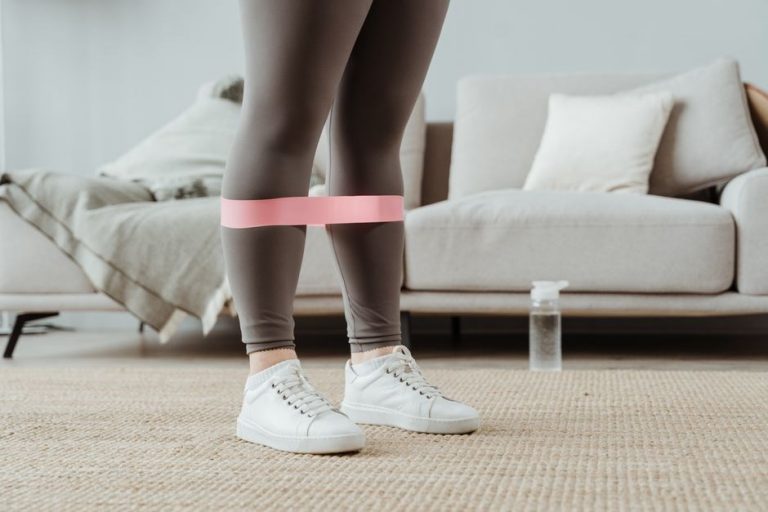
Loop bands are continuous elastic rings that offer a versatile, low‑impact training option for all fitness levels. Their closed‑loop design eliminates the need for handles, allowing users to perform exercises that target glutes, hips, shoulders, and core without additional equipment. The bands come in a spectrum of resistance levels—light, medium, heavy, and extra‑heavy—each calibrated to provide a specific tension curve that can be adjusted by changing the band’s length or by adding a second band for increased resistance. Common movements include lateral band walks, glute bridges, monster walks, and banded squats, which enhance muscular endurance and joint stability. Because loop bands are lightweight and portable, they are ideal for travel, home workouts, or as a supplemental tool in a gym setting. Proper form involves maintaining a neutral spine, engaging core muscles, and keeping the band taut throughout the movement to maximize resistance and reduce injury risk. For beginners, starting with a light or medium band and focusing on controlled repetitions builds a solid foundation before progressing to heavier resistance. Advanced users can incorporate double‑band techniques, pause‑reps, or tempo variations to increase intensity and stimulate hypertrophy. Loop bands also serve as a rehabilitation aid, offering a gentle yet effective way to restore strength after injury while maintaining joint mobility. By integrating loop bands into a structured PDF guide, users gain clear instructions, progression charts, and safety cues that help them achieve consistent results. Stay strong and consistent.!!

2.2 Tube Bands with Handles
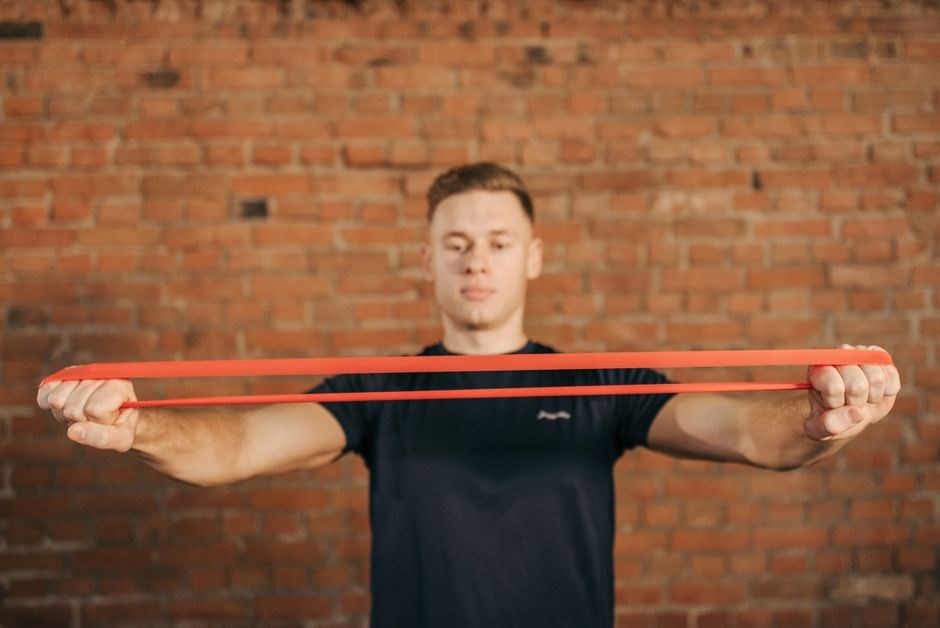
Tube bands with handles are versatile tools for structured workout PDFs. They feature a rubber or latex tube and ergonomic handles, enabling pulling and pushing motions that replicate free‑weight exercises. Available in light, medium, heavy, and extra‑heavy grades, they allow users to target strength, hypertrophy, or endurance. Common moves include standing rows, chest presses, overhead triceps extensions, biceps curls, and lateral raises, performed standing, seated, or lying. Beginners start with a light band, while advanced users can double the band or add a weighted vest for increased load. Proper form requires a neutral spine, core engagement, and keeping elbows close to the torso during pulls. The handles reduce wrist strain and improve grip stability, making them suitable for rehabilitation protocols. When included in a PDF guide, tube bands provide clear visual cues, progression tables, and safety reminders, helping users scale intensity safely and track progress over time. Additionally, the elastic material offers a smooth resistance curve, minimizing joint impact while maximizing muscle activation, making tube bands an excellent choice for both strength training and functional mobility work. Now!
2.3 Therapy Bands
Therapy bands are low‑resistance elastic tubes designed for rehabilitation, mobility, and gentle strength training. Their smooth, non‑slip texture allows precise control over tension, making them ideal for patients recovering from surgery, sprains, or chronic joint pain. Their ability to target specific muscle groups—such as glutes, hamstrings, and rotator cuffs—without placing excessive load on the joint. Exercises include seated leg extensions, standing hip abductions, and controlled shoulder external rotations, all performed with a slow, controlled tempo to ensure joint stability. The bands come in translucent or opaque colors, each indicating a specific resistance level; clinicians often use a color‑coding system to match the band to the patient’s strength and progress. Safety guidelines emphasize maintaining proper posture, avoiding hyperextension, and using a stable anchor point. Progression is achieved by adding a second band or increasing resistance gradually, allowing therapists to monitor improvements in range of motion and strength. By integrating therapy bands into a structured PDF, users gain a clear roadmap for safe, effective, and progressive rehabilitation. daily!

2.4 Resistance Level Grading
Resistance bands are graded by color or numeric code to signal incremental tension. Light, medium, and heavy bands typically provide about 30–50 lb, 50–80 lb, and 80–120 lb of peak force, though exact values differ by brand. This grading lets users match a band to their strength and exercise goal. Beginners use light bands for joint‑friendly moves such as bicep curls or lateral raises. Intermediate users switch to medium bands for compound lifts such as squats or rows. Advanced athletes may opt for heavy bands to push maximal strength and power. Some sets include extra‑heavy or “black” bands, offering 120–200 lb for elite training or rehabilitation of severely injured muscles. In a PDF guide, each exercise lists the recommended band level, a visual cue of the band’s color, and a brief note on the tension curve. Progression is achieved by moving to the next higher level or adding a second band in parallel, effectively doubling the resistance. Proper technique—maintaining tension throughout the full range of motion, avoiding slack, and using a stable anchor—is essential to prevent injury and ensure consistent loading. Clear grading definitions empower users to scale workouts safely and track progress over time.

Benefits of Using Resistance Bands in a PDF Guide

A PDF guide showcases how resistance bands boost strength, flexibility, and joint health. They’re portable, cost‑effective, and adaptable for all fitness levels, making workouts safe, varied, and progress‑trackable. Ideal for home, gym,
3.1 Versatility for All Fitness Levels
Resistance band workout PDFs unlock unparalleled flexibility, allowing users to tailor routines from beginner to advanced. By selecting bands of varying resistance—light, medium, heavy—readers can adjust tension without changing equipment. The guide presents modular circuits: compound movements, isolation drills, and plyometric bursts, each annotated with rep ranges and tempo cues. Beginners start with low‑resistance loops for joint mobility, progressing to thicker tubes for strength. Advanced athletes incorporate tempo variations, pause reps, and unilateral work to target asymmetries. The PDF’s visual diagrams illustrate grip positions, foot placement, and core engagement, ensuring correct biomechanics across all levels. Additionally, the format includes progress‑tracking tables, enabling users to log weekly improvements and set realistic goals. This adaptability makes the guide suitable for rehab, strength training, or general fitness, ensuring every user finds a safe, effective path to progress. Readers can customize the PDF by adding personal notes, tracking milestones, and sharing progress with a community, of like‑minded fitness enthusiasts, fostering accountability and motivation throughout their training journey.

3.2 Space and Cost Efficiency
Resistance band workout PDFs demonstrate that a full‑body program can be executed in a footprint smaller than a treadmill or squat rack. The guide lists exercises that require only a 3‑by‑5‑foot area, making it ideal for apartments, dorm rooms, or office break rooms. Band sets are lightweight, portable, and inexpensive—often costing less than a single set of dumbbells. The PDF includes a cost comparison table, showing that a starter kit of loop, tube, and therapy bands can be purchased for under $30, while a comparable set of free‑weights and benches exceeds $200. Additionally, the guide emphasizes that bands do not degrade with use, eliminating maintenance costs associated with machines or plates. Users can perform high‑intensity interval circuits, strength endurance drills, and flexibility work without any floor space constraints. The document also offers a storage solution: bands can be hung on a hook or stored in a small bag, reducing clutter. By combining low cost, minimal space, and versatility, the PDF empowers individuals to build a comprehensive training regimen without investing in bulky equipment or renting gym time. The PDF also includes checklists, progress trackers, and a glossary of resistance terms, making it a resource for all users!
3.3 Injury Prevention and Rehabilitation
Resistance band workout PDFs highlight how elastic bands provide controlled, low‑impact resistance that reduces joint loading while still challenging muscle fibers. The guide lists specific exercises such as banded hip abductions, glute bridges, and shoulder external rotations, all proven to strengthen stabilizers without over‑compressing tendons. By incorporating progressive tension, the PDF allows users to gradually increase load, preventing sudden overload that often leads to strains. The document also includes a section on pre‑exercise warm‑up routines, emphasizing dynamic stretches that prepare connective tissue for movement. For rehabilitation, the PDF offers graded protocols: starting with light bands for range‑of‑motion work, moving to moderate bands for strength, and finally to heavy bands for functional tasks. Each step includes cues to maintain proper alignment, reducing compensatory patterns that could aggravate injuries. Additionally, the guide explains how bands can be used to isolate specific muscle groups, such as the rotator cuff, allowing targeted strengthening during recovery. The diagrams show tension, helping users avoid excessive shear. By providing evidence‑based sequences and safety checks

How to Build or Choose a Resistance Band Workout PDF
Choose a PDF that lists full‑body moves, clear reps, and progression. Verify it includes safety cues, band‑grading, and customization options. Use reputable sources, check user reviews, and update as you grow Track progress daily, fit now
4.1 Selecting Exercises for Full-Body Workouts
When curating a full‑body routine, prioritize compound movements that recruit multiple muscle groups. Start with a warm‑up that activates the hips, shoulders, and thoracic spine. For the lower body, include banded squats, deadlifts, and glute bridges; for the upper body, choose rows, chest presses, and overhead presses. Add core work such as banded planks or dead bugs. Ensure each exercise has a clear range of motion and a progression path—e.g., start with a light loop band for a band squat, then switch to a thicker tube band for a single‑leg squat. Balance push and pull actions to maintain joint stability. Incorporate mobility drills like banded hip circles and shoulder dislocations to improve flexibility. Finally, schedule rest intervals that allow muscle recovery while keeping the heart rate elevated for cardiovascular benefit. This structured approach guarantees a comprehensive, safe, and effective full‑body workout. By integrating these exercises into a weekly routine, you can target every major muscle group, improve joint health, and elevate cardiovascular fitness—all while enjoying the convenience of a portable, low‑cost tool that adapts to any training level or recovery stage, and boost overall wellness daily!!!!
4.2 Structuring Sets, Reps, and Progression
Designing a progression plan for resistance‑band workouts hinges on three pillars: volume, intensity, and tempo. Start with a baseline of 3 sets of 12–15 reps for most exercises, ensuring the last few reps are challenging yet maintainable. Use a 2‑second eccentric phase and a 1‑second concentric phase to maximize time under tension. As strength improves, increase reps to 20, then add a fourth set, or shorten the rest interval from 90 to 60 seconds. When the band’s stretch feels effortless, swap to a higher‑resistance band or add a pause at peak contraction for 1–2 seconds. Periodize by cycling through 4‑week blocks: week 1–2 focus on hypertrophy (12–15 reps), week 3 on strength (8–10 reps), and week 4 on power (6–8 reps with explosive release). Track progress in a log, noting band color, set count, and perceived exertion. This systematic approach guarantees continuous adaptation, prevents plateaus, and aligns with evidence that progressive overload is essential for muscle growth and joint resilience; By integrating these structured guidelines, you can tailor each session to match your fitness level, track measurable progress, and stay motivated throughout the training cycle.
4.3 Incorporating Safety Tips and Proper Form
Before beginning any resistance‑band routine, secure the band on a stable anchor or wrap it around a sturdy object to prevent accidental release. Warm up with dynamic stretches for 5–10 minutes, focusing on the target muscle groups. Maintain neutral spine throughout exercises; avoid rounding the back or hunching shoulders. Keep core engaged to stabilize the pelvis and reduce lumbar strain. For upper‑body moves, position elbows at a 90‑degree angle and avoid letting the band snap back too quickly, which can cause joint irritation. Lower‑body exercises should keep knees aligned over toes, preventing valgus collapse. Use a slow, controlled eccentric phase—usually 2–3 seconds—to enhance muscle activation and joint stability. Monitor band tension; if the band feels loose, switch to a thicker resistance or shorten the loop. After each set, inspect the band for cuts or fraying; replace if damaged to avoid sudden rupture. Finally, cool down with static stretches, holding each stretch for 20–30 seconds, and hydrate adequately to support recovery. Seek guidance if unsure, adjust intensity.

4.4 Customizing the PDF for Personal Goals
Tailoring a resistance‑band PDF begins by defining clear objectives—strength, hypertrophy, endurance, or mobility. Select exercises that target the desired muscle groups and match the band’s resistance level to your current capacity; Use the “Progression Ladder” feature: start with the lightest band, perform 3 sets of 12–15 reps, then advance to medium or heavy bands as strength improves. Incorporate periodization by alternating phases: a hypertrophy phase (8–12 reps, 3–4 sets) followed by a strength phase (4–6 reps, 4–5 sets). Adjust tempo; slow eccentric phases (3–4 seconds) increase time under tension, while explosive concentric movements enhance power. Include accessory work such as core stabilization or balance drills to address functional deficits. For injury prevention, add mobility sequences before and after workouts, and schedule rest days based on recovery signals. Personalize the PDF layout by adding your name, start date, and progress notes in the header. Use color‑coding or icons to indicate intensity levels, making the guide intuitive. Finally, review and update the plan every 4–6 weeks to reflect gains and evolving goals, ensuring the PDF remains a dynamic tool for long‑term success. Keep going!!