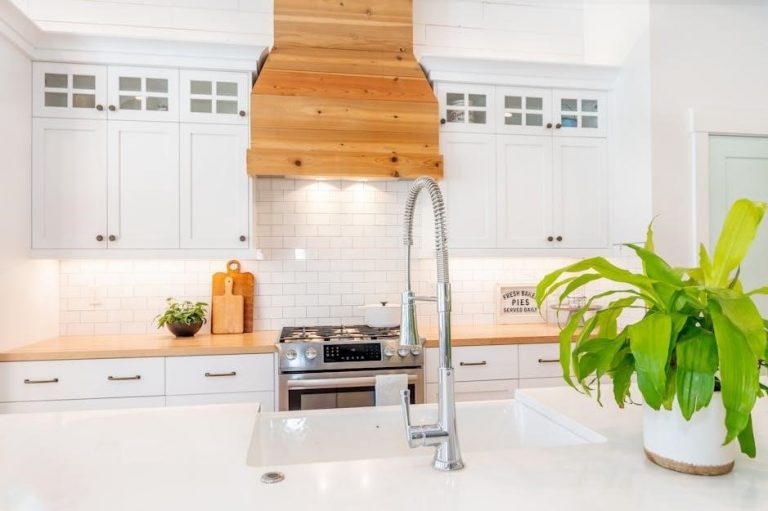
Standard Kitchen Cabinet Sizes Chart PDF: A Comprehensive Guide
Navigating kitchen renovations requires understanding cabinetry dimensions; this guide details average standards, broken down into manageable parts, offering a crucial resource for planning.
Kitchen cabinet standardization isn’t about limiting design, but rather streamlining production and installation, ultimately benefiting consumers. Historically, cabinetry was almost always custom-built. However, the mid-20th century saw a shift towards more consistent dimensions, driven by mass manufacturing and the desire for easier replacements.
These “standard” sizes aren’t rigidly fixed, but represent common measurements widely adopted by manufacturers. Understanding these norms is vital, whether you’re planning a full kitchen remodel, a DIY project, or simply replacing a few cabinets. A standard kitchen cabinet sizes chart PDF serves as an essential tool, providing a quick reference for these frequently used dimensions, ensuring compatibility and simplifying the entire process.
Why Standard Sizes Matter for Kitchen Design
Utilizing standard cabinet sizes significantly impacts kitchen design efficiency and cost-effectiveness. Off-the-shelf cabinets, adhering to common dimensions outlined in a standard kitchen cabinet sizes chart PDF, are considerably more affordable than fully custom options. This allows for budget allocation towards higher-end finishes or appliances.
Furthermore, standardized dimensions simplify the installation process, reducing labor costs and project timelines. Readily available replacement parts also become easier to source in the future. While custom cabinets offer design flexibility, standard sizes provide a practical balance between aesthetics, functionality, and budgetary constraints, making them a popular choice for many homeowners and designers.
Understanding Base Cabinet Dimensions
Base cabinets form the foundational storage of a kitchen, and understanding their dimensions is crucial when referencing a standard kitchen cabinet sizes chart PDF. These cabinets support countertops and house larger items. Typical widths begin at 12 inches, increasing in 3-inch increments up to 36 inches, with 30” and 33” being common.
Depth generally remains consistent around 24 inches, excluding the door. Height, however, varies, typically falling between 34.5 and 36 inches, allowing for standard countertop heights. Accurate measurements, guided by the chart, ensure seamless integration with countertops and appliances, optimizing kitchen functionality and aesthetic appeal.
Typical Base Cabinet Widths
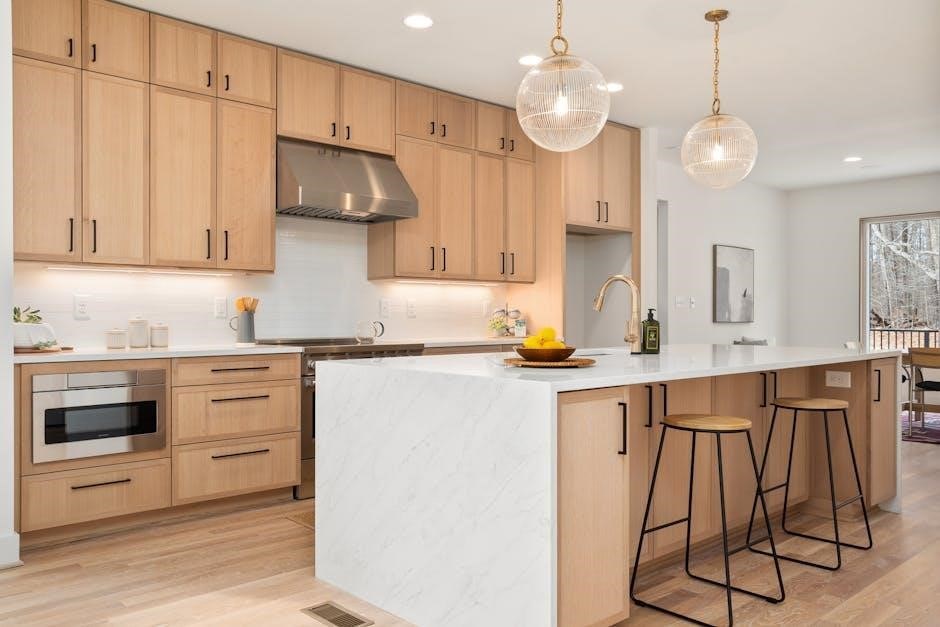
Referring to a standard kitchen cabinet sizes chart PDF reveals base cabinet widths commonly start at 12 inches, ideal for small spaces or specialized storage. Increments of 3 inches are standard – 15”, 18”, 21”, 24”, 27”, 30”, 33”, and 36” are frequently available. The 30-inch and 33-inch widths are particularly popular choices for accommodating standard sinks and cooktops.
Wider cabinets, like 36-inch units, often serve as corner bases or larger storage solutions. These dimensions are crucial for planning countertop layouts and appliance placement, ensuring a functional and aesthetically pleasing kitchen design. Precise width selection, guided by the chart, prevents installation issues.
Standard Base Cabinet Depth
A standard kitchen cabinet sizes chart PDF consistently shows a depth of 24 inches for base cabinets. This measurement is foundational for kitchen layouts, allowing sufficient space for countertops and walkways. However, toe kicks, typically 3 to 4 inches high, reduce the visible cabinet depth. This creates comfortable legroom while working at the counters.
Full-depth cabinets at 24 inches provide maximum storage, while some designs incorporate shallower depths for specific purposes. Understanding this dimension is vital for appliance integration and ensuring adequate clearance for doors and drawers. Consistent depth simplifies countertop installation and contributes to a streamlined kitchen aesthetic.
Common Base Cabinet Heights
A standard kitchen cabinet sizes chart PDF reveals that the most prevalent base cabinet height, when including the countertop, is 34.5 to 36 inches. This height is ergonomically designed for comfortable kitchen work, accommodating most users. However, variations exist based on countertop thickness and personal preference.
Adjustments are often made to achieve a desired countertop height. Cabinets themselves typically measure around 30 to 34.5 inches tall before countertop installation. Considering this, a standard kitchen cabinet sizes chart PDF will help you plan for the final, usable height. Accessibility needs may also dictate adjustments to base cabinet heights for comfortable use.
Exploring Wall Cabinet Dimensions
A standard kitchen cabinet sizes chart PDF is essential when planning upper cabinetry. Wall cabinets generally offer less dimensional variety than base units, but understanding the norms is crucial. Typically, wall cabinet depth is a consistent 12 inches, allowing for sufficient storage without excessively encroaching on kitchen space.
Height and width are where more options appear. A standard kitchen cabinet sizes chart PDF will show common widths ranging from 18 to 36 inches, in 3-inch increments. Standard heights usually fall between 30 and 42 inches, though taller options exist. Careful consideration of ceiling height and personal reach is vital when selecting wall cabinet dimensions.
Typical Wall Cabinet Widths
A standard kitchen cabinet sizes chart PDF reveals that wall cabinet widths are commonly offered in 3-inch increments, providing flexibility in kitchen design. The most frequently encountered sizes range from a narrow 18-inch cabinet – ideal for above-refrigerator spaces or flanking a range hood – up to a broader 36-inch cabinet.
Popular choices include 30-inch and 33-inch widths, offering a good balance between storage capacity and aesthetic appeal. Referring to a kitchen cabinet sizes chart PDF is vital for ensuring consistent spacing and a visually balanced layout. Wider cabinets may require additional support during installation, so consult professional guidance when needed.
Standard Wall Cabinet Depth
A comprehensive standard kitchen cabinet sizes chart PDF consistently shows a depth of 12 inches as the norm for wall cabinets. This measurement allows for sufficient storage without excessively encroaching on kitchen floor space. While 12 inches is typical, some specialty cabinets, like those designed for above-oven microwaves, may have slightly different depths.
It’s crucial to verify the exact depth when reviewing a kitchen cabinet sizes chart PDF, especially when integrating appliances. Consistent depth across wall cabinets contributes to a streamlined appearance and simplifies installation. Deeper cabinets can offer more storage, but may impact aisle clearances, so careful planning is essential.
Common Wall Cabinet Heights
A standard kitchen cabinet sizes chart PDF reveals that 30, 36, and 42 inches are the most frequently encountered heights for wall cabinets. The 30-inch height is often used above counters where less vertical storage is needed, while 36 inches provides a good balance of storage and accessibility. The 42-inch height is popular for maximizing storage, particularly in kitchens with higher ceilings.
However, a detailed kitchen cabinet sizes chart PDF will also highlight the importance of considering upper cabinet height in relation to countertop height and user reach. Adjustments are often made to accommodate individual needs and kitchen layouts, ensuring both functionality and aesthetic appeal.
Tall Cabinet & Pantry Dimensions
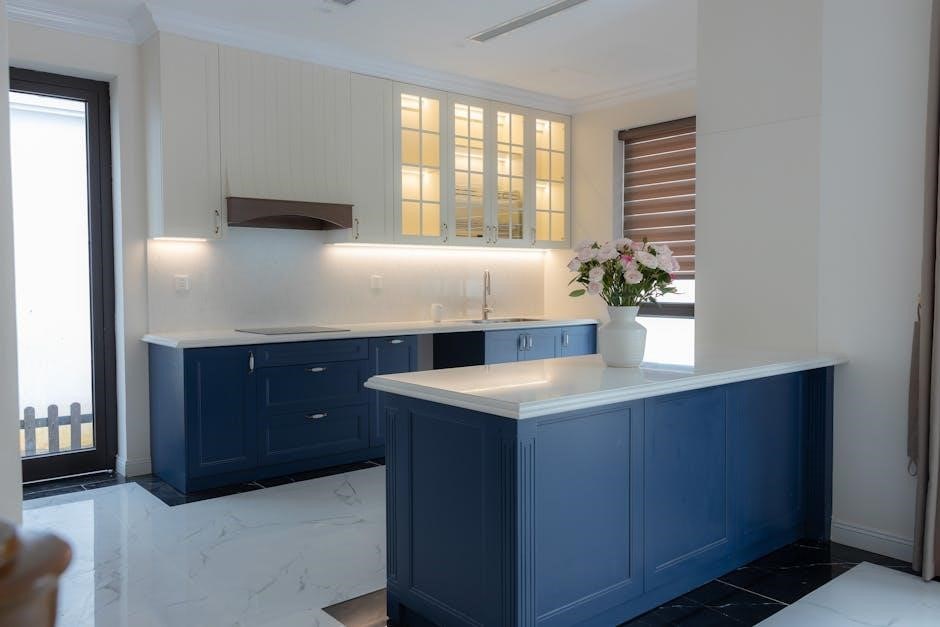
A comprehensive kitchen cabinet sizes chart PDF demonstrates that tall cabinets and pantries are crucial for maximizing storage in modern kitchens. Standard widths typically range from 18 to 36 inches, though wider configurations are possible. Depth generally mirrors base cabinets at 24 inches, providing ample space for various items.
Height is where tall cabinets truly differentiate themselves, commonly reaching 84 or 96 inches. Pantry cabinets, in particular, benefit from this increased vertical space, offering solutions for storing bulk goods and appliances. Referencing a detailed PDF chart ensures proper planning for optimal kitchen functionality and efficient space utilization.
Standard Pantry Cabinet Widths
A standard kitchen cabinet sizes chart PDF reveals pantry cabinet widths vary to accommodate different kitchen layouts and storage needs. Common widths begin at 18 inches, suitable for narrow spaces or supplemental storage. More frequently, you’ll find 24-inch and 30-inch pantry cabinets offering a balance of accessibility and capacity.
Wider options, reaching 36 inches or even 48 inches, are ideal for larger kitchens or those desiring extensive pantry space. These wider units often incorporate pull-out shelves or door-mounted racks for enhanced organization. Consulting a detailed chart ensures selecting a width that maximizes storage while fitting seamlessly into your kitchen design.
Typical Tall Cabinet Depths
A standard kitchen cabinet sizes chart PDF consistently shows tall cabinet depths generally range between 24 and 25 inches; This depth provides ample interior space for storing larger items like cookware, small appliances, and dry goods, without excessively encroaching on kitchen floor space.
While 24 inches is the most prevalent depth, some manufacturers offer 25-inch deep cabinets for increased storage capacity. It’s crucial to verify the exact depth when planning your kitchen layout, ensuring sufficient aisle space for comfortable movement. Consider the placement of tall cabinets relative to countertops and appliances to maintain a functional and aesthetically pleasing design.
Common Tall Cabinet Heights
A standard kitchen cabinet sizes chart PDF reveals that common tall cabinet heights typically fall between 84 and 96 inches. The 84-inch height often aligns with standard ceiling heights, providing a clean, proportional look. However, 96-inch tall cabinets maximize vertical storage, ideal for kitchens with higher ceilings.
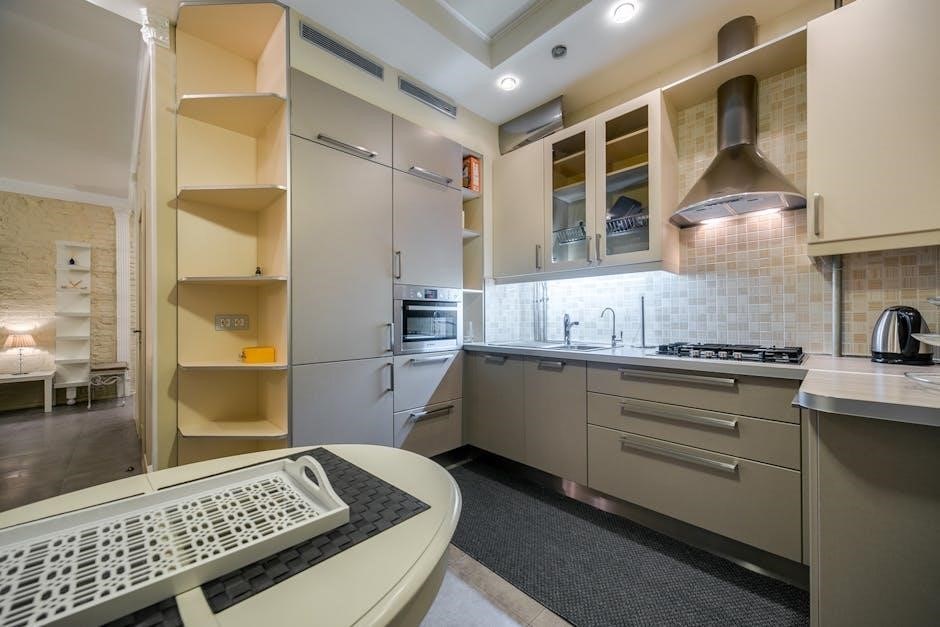
Many manufacturers also offer intermediate heights, such as 90 inches, to accommodate specific design needs. When selecting a height, consider the reachability of upper shelves and the overall aesthetic balance within the kitchen. Proper planning, referencing a reliable chart, ensures optimal functionality and visual appeal.
Specialty Cabinet Sizes
A standard kitchen cabinet sizes chart PDF highlights that specialty cabinets deviate from typical dimensions to accommodate specific functions. Sink base cabinets, for instance, commonly range from 30 to 36 inches wide, depending on the sink’s size and configuration. Corner cabinets, often utilizing lazy susans or pull-out systems, require careful measurement to maximize accessibility.
Appliance garage cabinets, designed to conceal small appliances, vary significantly based on the appliances housed. These specialized units demand precise sizing to ensure proper fit and functionality. Consulting a detailed chart is crucial for these non-standard applications, ensuring seamless integration into the overall kitchen design.
Sink Base Cabinet Sizes
A standard kitchen cabinet sizes chart PDF reveals sink base cabinets typically range from 30 to 48 inches in width, with 33, 36, and 42 inches being the most common. Depth usually falls between 24 and 27 inches. Height is generally 34.5 inches, aligning with standard counter heights.
Single-bowl sinks often fit comfortably within 30-36 inch cabinets, while larger double-bowl configurations necessitate 42-48 inch widths. Consider the sink’s rim style (undermount, drop-in) as it impacts the required cabinet opening. Proper measurement is vital to avoid installation issues and ensure a functional workspace.
Corner Cabinet Dimensions
A standard kitchen cabinet sizes chart PDF illustrates that corner cabinets present unique dimensional challenges. Base corner cabinets commonly measure 36×36 inches, forming a square footprint, though variations exist. Lazy Susans or pull-out shelving systems are frequently incorporated to maximize accessibility within these spaces.
Wall corner cabinets often utilize angled fronts (typically 45 degrees) to follow the wall lines. Their dimensions vary significantly based on the angle and desired storage capacity. Effective corner cabinet design requires careful planning to avoid wasted space and ensure convenient access to stored items.
Appliance Garage Cabinet Sizes

A standard kitchen cabinet sizes chart PDF doesn’t always explicitly detail appliance garages, as they’re often customized. However, typical widths range from 24 to 36 inches, accommodating common countertop appliances like mixers or toasters. Depth is crucial, generally mirroring standard base cabinet depth (24 inches) with added interior space for electrical outlets and ventilation.

Height varies based on the appliance housed, but commonly falls between 28.5 and 34.5 inches; Internal roll-out shelves and doors are key features. Careful measurement of the appliance is essential before finalizing garage dimensions, ensuring a seamless and functional integration into the kitchen design.
Decoding Cabinet Size Terminology
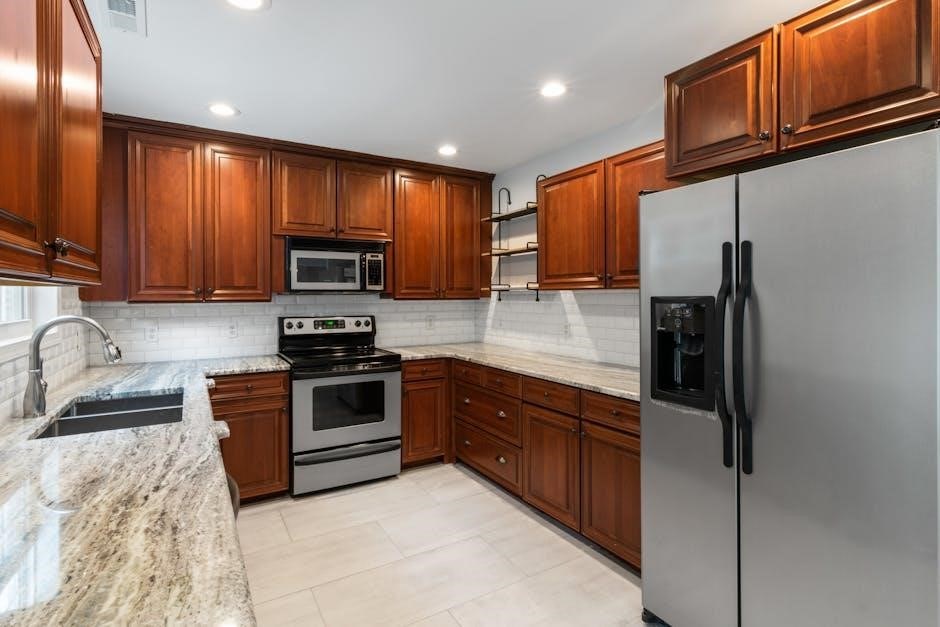
A standard kitchen cabinet sizes chart PDF utilizes specific terms crucial for understanding dimensions. “Face Frame” refers to a structural front frame, impacting interior space. “Frameless” (or European-style) cabinets lack this frame, maximizing storage. “Nominal Size” is the stated dimension, while “Actual Size” is slightly smaller, accounting for construction.
Width is measured externally, while “Interior Width” reflects usable space. Depth is front-to-back, and Height is floor-to-bottom of the cabinet box. Understanding these terms, found within a comprehensive chart, prevents miscalculations during planning and ensures accurate ordering and installation.
Where to Find Standard Kitchen Cabinet Size Charts (PDF)
Locating a reliable standard kitchen cabinet sizes chart PDF is essential for successful kitchen design. Many cabinet manufacturers – like IKEA, Home Depot, and Lowe’s – offer downloadable charts on their websites. Industry associations, such as the National Kitchen and Bath Association (NKBA), provide comprehensive guidelines and resources, often including PDF charts.
Websites dedicated to home improvement and DIY projects frequently host these charts. A quick online search using keywords like “kitchen cabinet dimensions PDF” yields numerous results. Always verify the chart’s source and date (2026 update recommended) to ensure accuracy and relevance to current standards.
Factors Affecting Cabinet Size Choices
Several key factors influence optimal cabinet size selection beyond standard dimensions. Kitchen layout and space constraints are paramount; smaller kitchens necessitate efficient use of space, potentially favoring narrower cabinets or clever corner solutions. Accessibility considerations, particularly ADA compliance, dictate minimum clearances and reachable heights for users with disabilities.
Existing plumbing and electrical locations can limit placement options. Personal preferences regarding storage needs and workflow also play a role. The overall kitchen design style – modern, traditional, etc. – may influence cabinet proportions. Carefully evaluating these factors ensures a functional and aesthetically pleasing result.
Kitchen Layout and Space Constraints

The kitchen’s physical layout profoundly impacts cabinet size choices. Galley kitchens, with parallel counters, often benefit from narrower base cabinets to maintain comfortable walkways. L-shaped kitchens offer more flexibility, but corner spaces require specialized cabinet solutions. Island kitchens introduce additional storage opportunities, influencing surrounding cabinet dimensions.
Limited space demands prioritizing functionality; consider maximizing vertical storage with taller wall cabinets. Obstacles like windows, doors, and appliances restrict placement options, necessitating adjustments to standard sizes. Traffic flow must be considered to ensure adequate clearance around cabinets and appliances. Careful planning optimizes space utilization.
Accessibility Considerations (ADA Compliance)
Designing for accessibility, adhering to ADA standards, requires specific cabinet modifications. Counter heights must accommodate wheelchair users, typically between 30 and 34 inches. Knee clearance under sinks and cooktops is essential, with a minimum width of 30 inches. Reach ranges dictate the maximum height for upper cabinets – generally 48 inches.
Pull-down shelves and roll-out trays enhance usability for individuals with limited reach or mobility. Lever-style handles are easier to operate than knobs. Clear floor space is crucial for maneuvering. Prioritizing these features ensures a kitchen is functional and inclusive for everyone, regardless of physical ability.
Custom vs. Standard Cabinet Sizes
Standard cabinets offer cost-effectiveness and quicker lead times, utilizing pre-defined dimensions readily available from manufacturers. Custom cabinetry, however, provides unparalleled flexibility, tailored precisely to your kitchen’s unique layout and needs. While standard sizes suit typical spaces, custom solutions maximize functionality in awkward corners or non-traditional designs.
Customization comes at a premium, involving longer production times and higher costs. Semi-custom options bridge the gap, allowing modifications to standard sizes. Carefully assess your budget, timeline, and spatial challenges to determine whether standard, semi-custom, or fully custom cabinets best suit your project.
Popular Cabinet Construction Materials & Their Impact on Size
Cabinet materials significantly influence structural integrity and, consequently, achievable sizes. Solid wood, while beautiful, is susceptible to expansion and contraction with humidity changes, potentially affecting precise fits. Plywood offers greater stability and allows for larger spans, common in frameless designs.
MDF (Medium-Density Fiberboard) is cost-effective and paints well, but is less strong than plywood. Particleboard, the most affordable option, requires robust framing. Material choice impacts the thickness of cabinet components, subtly altering interior dimensions and overall footprint. Understanding these nuances is vital when interpreting standard size charts.
Common Cabinet Modifications & Adjustments
Even with standard sizes, kitchens rarely conform perfectly. Fillers – narrow strips of material – are frequently used to accommodate uneven walls or appliance placements, adjusting overall width. Toe kicks, typically 4-inches high, can be modified for accessibility or aesthetic preferences.
Adjustable shelves within cabinets offer flexibility, maximizing storage. Stacking cabinets, utilizing taller units, is a common modification. Minor adjustments to door and drawer fronts are often needed for alignment. Recognizing these typical alterations is crucial when using standard size charts as a starting point for your kitchen design.
Resources for Downloading Cabinet Size Charts (PDF) ⎻ 2026 Update
Several online resources offer downloadable cabinet size charts in PDF format as of April 22, 2026. Major home improvement retailers like Home Depot and Lowe’s provide basic charts on their websites, useful for initial planning. Cabinet manufacturers – such as KraftMaid, and IKEA – often have detailed specifications available for download directly from their sites.
Industry organizations, like the Kitchen Cabinet Manufacturers Association (KCMA), may also offer comprehensive guides. Websites dedicated to home design and renovation frequently compile links to various charts. Always verify the chart’s date to ensure it reflects current standards.
Understanding Face Frame vs. Frameless Cabinets & Size Differences
Face frame cabinets feature a frame around the cabinet opening, reducing accessible interior space. Standard widths remain consistent, but the usable depth is less due to the frame’s thickness. Frameless (European-style) cabinets lack this frame, maximizing interior space and offering slightly more usable width.
When referencing cabinet size charts, it’s crucial to identify the cabinet construction type. Charts often specify dimensions for both styles, and understanding this distinction impacts planning. Frameless cabinets generally offer a more modern aesthetic and efficient storage, while face frame provides a traditional look.
Cabinet Size Variations by Manufacturer
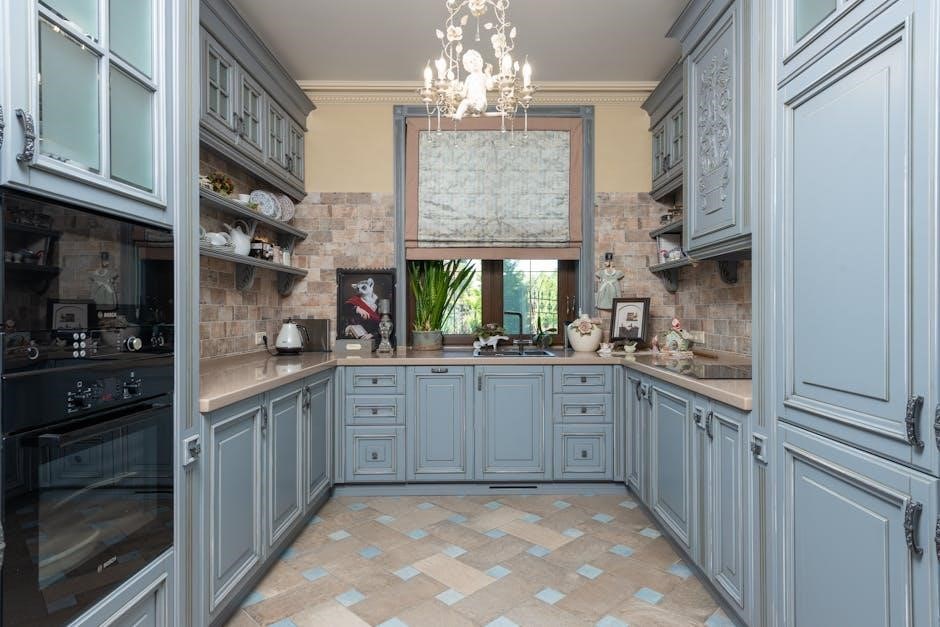
While standard kitchen cabinet sizes exist, variations occur between manufacturers. These differences, though often subtle, can impact overall kitchen design and installation. Some brands may offer cabinets in increments smaller or larger than the typical 3-inch modular units.
Always consult the specific manufacturer’s size chart before finalizing plans. PDF documents detailing their offerings are readily available online. Ignoring these nuances can lead to fitting issues or necessitate custom modifications. Comparing several manufacturers’ charts is vital for informed decision-making, ensuring a seamless kitchen renovation process.
Using Cabinet Size Charts for DIY Projects
Embarking on a DIY kitchen cabinet project demands meticulous planning, and standard size charts are indispensable tools. PDF versions provide a readily accessible reference for accurate measurements. Understanding these dimensions allows for precise ordering of components and minimizes costly errors during assembly.
Carefully review the chart, noting width, depth, and height specifications for base, wall, and tall cabinets. Utilize the information to create detailed layouts and cut lists. Remember to account for installation clearances and potential adjustments. Proper chart utilization empowers DIYers to achieve professional-looking results.
Cost Implications of Standard vs. Custom Cabinet Sizes
Leveraging standard kitchen cabinet sizes, detailed in readily available PDF charts, significantly impacts project costs. Generally, opting for standard dimensions is considerably more economical than custom builds. Manufacturers benefit from economies of scale, passing savings onto consumers.
Custom cabinetry, while offering design flexibility, involves higher labor and material expenses. The complexity of non-standard sizes necessitates specialized fabrication and longer lead times. Carefully assess your budget and design priorities; a PDF chart can help determine if standard options meet your needs, avoiding unnecessary costs.
Future Trends in Kitchen Cabinet Sizing (2026 Outlook)
Looking ahead to 2026, kitchen cabinet sizing is expected to evolve with changing lifestyle needs and design preferences. While standard dimensions – detailed in accessible PDF charts – will remain prevalent, a trend towards greater modularity is emerging. This allows for increased customization within standard frameworks.
Expect to see increased demand for taller cabinets maximizing vertical space, and wider drawers for enhanced accessibility. Smart storage solutions will also influence sizing, requiring specific dimensions for integrated technology. PDF resources will adapt, reflecting these shifts, offering updated charts for informed planning.